
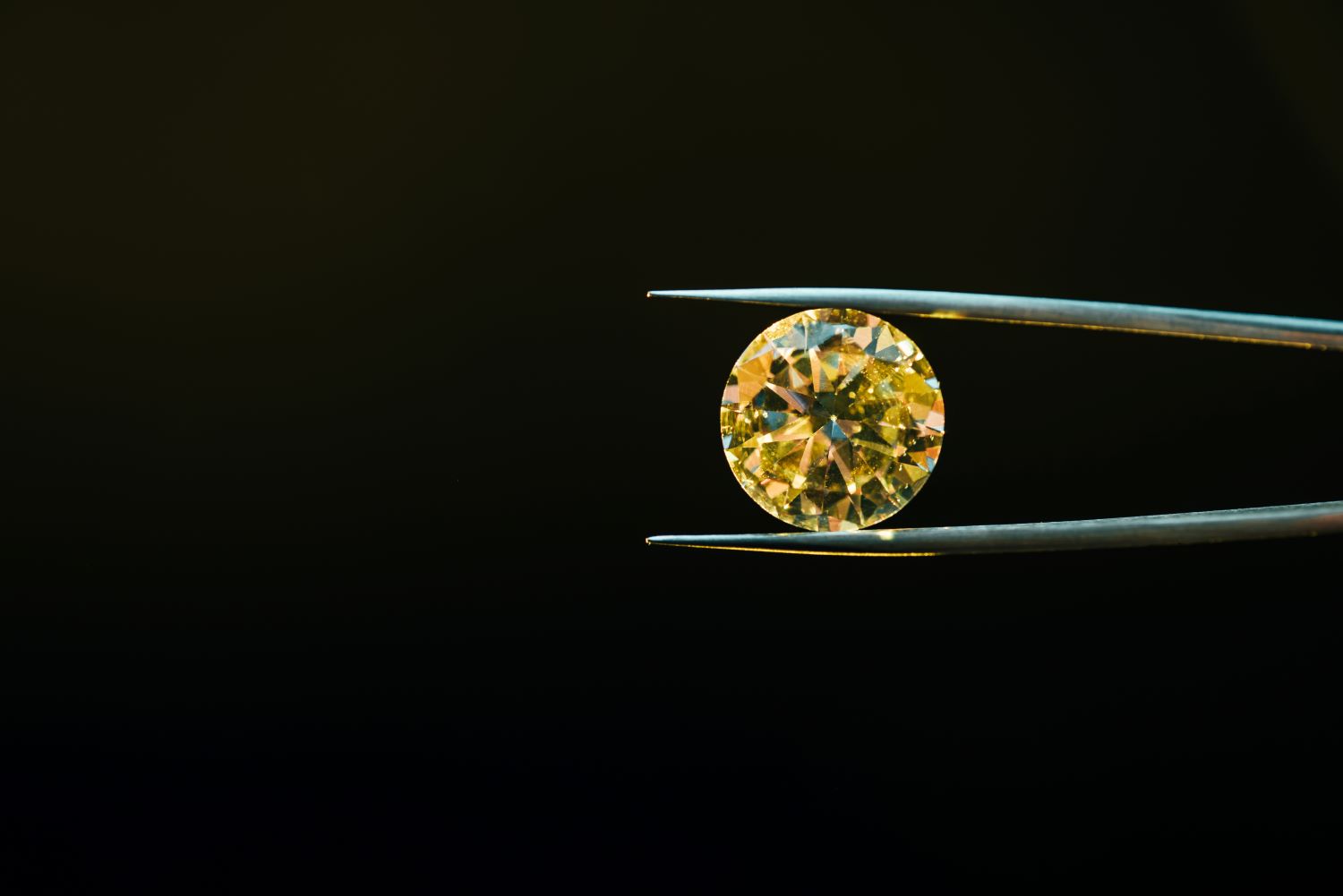
When people start shopping for diamonds, one of the most common searches is for the 1 carat diamond price. A one-carat stone is often seen as the “sweet spot” for engagement rings—large enough to make a statement but still accessible for many budgets. However, the price of a 1 carat diamond isn’t fixed. Instead, it depends on several quality factors known as the 4Cs: cut, color, clarity, and carat weight. Understanding how each of these influences value will help you shop with confidence.
Cut: The Key to Brilliance
Cut is perhaps the most important factor when evaluating a diamond. A well-cut stone reflects light perfectly, giving it sparkle and fire. Even if two diamonds have the same weight, a poorly cut one will look dull compared to a well-cut gem. For this reason, a diamond with an Excellent or Very Good cut grade will often command a higher 1 carat diamond price than one with a lower cut grade.
Color: The Scale from D to Z
Diamonds are graded on a color scale that ranges from D (colorless) to Z (noticeable yellow or brown). The closer a diamond is to colorless, the rarer and more expensive it becomes. While many buyers assume only D–F stones are worth buying, near-colorless grades (G–J) often look just as beautiful once mounted. Choosing wisely in this area can help manage 1 carat diamond price without compromising on beauty.
Clarity: Natural Inclusions and Blemishes
No diamond is truly perfect—most have tiny inclusions formed naturally. Clarity measures how visible these imperfections are. The grading scale ranges from Flawless (FL) to Included (I). For most shoppers, diamonds in the VS (Very Slightly Included) or SI (Slightly Included) ranges provide the best balance, as inclusions are not visible to the naked eye. Since flawless stones are rare, they drive up the 1 carat diamond price significantly compared to diamonds with minor inclusions.
Carat Weight: The Benchmark Number
Carat refers to the diamond’s weight, with one carat equaling 0.2 grams. Because “1 carat” is a benchmark number, diamonds at or just above this weight often cost more than those slightly below, like 0.90 carats. Even though the visual difference may be minimal, the prestige of reaching the 1 carat mark means higher demand—and a higher 1 carat diamond price.
Balancing the 4Cs
Smart buyers look at the 4Cs together rather than focusing on just one. For example, choosing a near-colorless G-grade diamond with VS2 clarity and an Excellent cut may provide a more stunning appearance than spending the same amount on a higher-color grade but lower cut. Balancing quality factors is the best way to maximize value when searching for the right 1 carat diamond price.
Final Thoughts
The 1 carat diamond price is shaped by much more than just weight. Cut, color, clarity, and carat all interact to determine value, brilliance, and beauty. By understanding the 4Cs, you can make informed choices and find a diamond that balances quality and cost. With careful consideration, your one-carat diamond can be both a timeless symbol of love and a smart investment.